







Search Results for: reservoir water levels
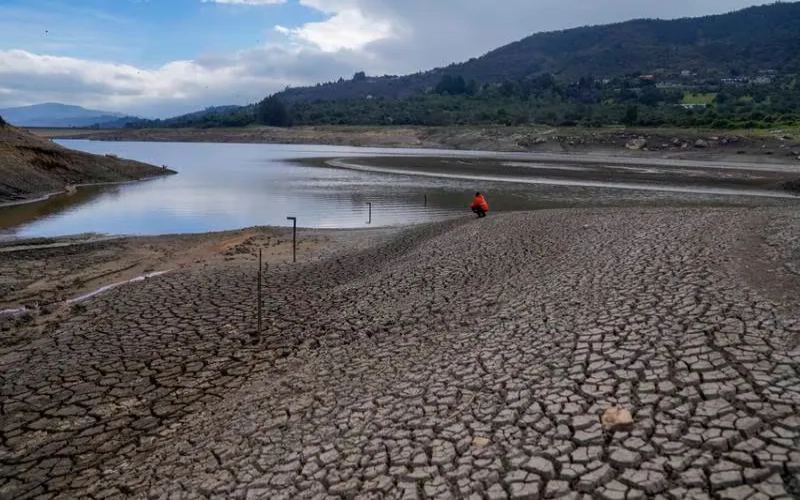
El Niño Worsens Drought in Colombia, National Reservoir Levels Drop Below 30%, Coffee Industry Faces Dual Challenge
Affected by the El Niño phenomenon, Colombia has been in a state of natural disaster since the beginning of this year. The drought, which persisted until April, caused the average water storage level of reservoirs nationwide to drop to 29.96% of normal, approaching the critical threshold of 27%, impacting both water supply and power generation. Although the country is rich in freshwater resources, problems such as low agricultural water use efficiency and serious pipeline leakage are prominent, with 70% of the nation's water resources used for crops such as coffee, bananas, and flowers. The capital, Bogotá, has already implemented water restrictions, and the government has not ruled out nationwide water rationing. Fortunately, the rainy season is expected to arrive in mid-to-late April, but coffee industry insiders warn that the heavy rainfall and low temperatures brought by the subsequent La Niña may affect coffee growth, and coffee farmers need to respond in advance. [more…]
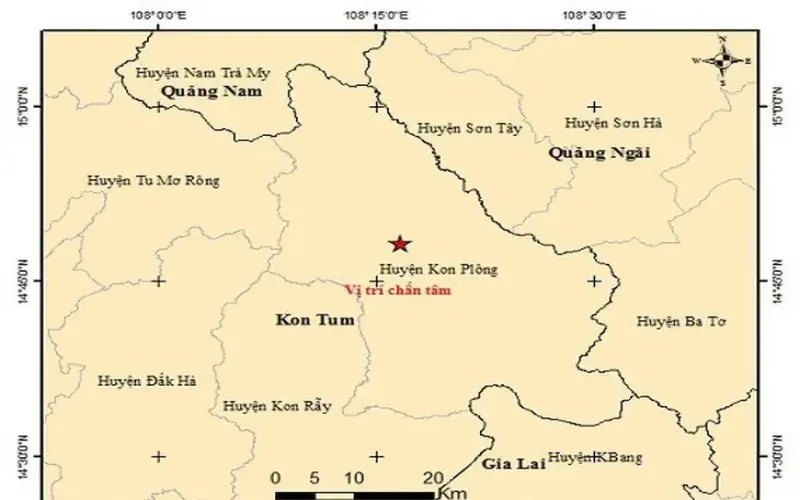
Kontum Province in Vietnam experienced 32 consecutive earthquakes within 24 hours, putting the main coffee-growing region at risk of reduced production.
Vietnam's core coffee-producing region—Kon Plong District in Kon Tum Province—recorded 32 earthquakes within just 24 hours, the strongest reaching magnitude 5.0, triggering tremors across the Central Highlands, several surrounding provinces, and even parts of Thailand. Experts say the quakes are linked to reservoir-induced activity and may continue in the future. As a key part of Vietnam's Central Highlands coffee belt, Kon Tum Province and neighboring provinces account for about 70% of the country's robusta coffee output. The earthquakes could cause farmland subsidence, fluctuations in groundwater levels, and shortages of irrigation water. Combined with this year's severe drought and shrinking cultivation area, the risk of a decline in Vietnam's coffee production is further intensifying. Front Street Coffee will continue to monitor developments in the producing region and their impact on the coffee market. [more…]

Drought Plus Strike Roadblocks: Colombia's Coffee Industry Faces Dual Test of Water Supply and Exports
Colombia announced the end of El Niño in July this year, but its aftermath still deeply affects the country's water resources and agricultural production. Water usage for productive capacity at the Gori Las dam, Bogotá's main water source, has continued to decline, dropping from 52% in early August to 38.84% this week, and local drinking water regulators have introduced stricter water-saving and penalty measures. Meanwhile, the government's cancellation of fuel subsidies has triggered nationwide road blockades by truck drivers, obstructing access to major ports such as Valle del Cauca department, directly impacting the coffee logistics chain from producing regions to ports. For the coffee industry, it must contend with both the planting pressure of limited irrigation water and the trade risks of disrupted export transportation. Recalling that national protests in 2021 nearly reduced coffee exports to zero in May of that year, industry insiders worry whether this round of crisis will repeat if the strike continues, warranting sustained attention. [more…]

Colombia's coffee industry is mired in multiple crises: armed conflict, drought, and policy uncertainty intertwined
Colombia, as a major global coffee-producing region, is now facing a double squeeze from internal and external troubles. Domestic armed conflict has escalated again, and the ceasefire agreement between the government and anti-government armed groups has been suspended in some areas; the drought triggered by El Niño has caused reservoir levels to fall dangerously low, restricting agricultural irrigation and power supply; at the same time, coffee producers also have to deal with rising fertilizer prices, shrinking planting areas, exchange rate fluctuations, and competition from other American producing regions. Although international coffee prices have risen somewhat, the income of Colombian coffee growers has fallen instead of increasing, and an industry strike is imminent. Front Street Coffee will continue to follow developments in this producing region and bring the latest information to enthusiasts. [more…]
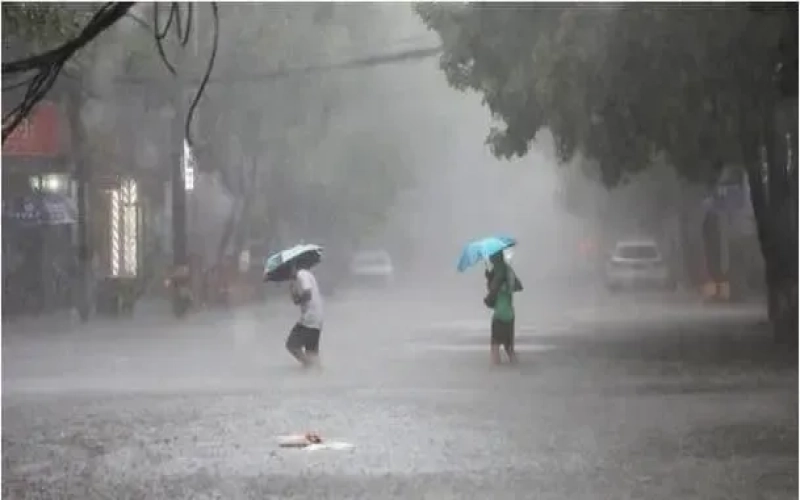
Extreme Weather and Pest Infestation Deal a Double Blow: Vietnam's Coffee Production May Continue to Decline
The World Meteorological Organization recently issued a warning that frequent extreme weather is severely impacting Asia. China, Dubai, and other places have been hit by torrential rains and floods, while South Asian countries such as Thailand, Laos, Vietnam, and Indonesia are mired in scorching heat, with temperatures in many areas exceeding 45°C. As a major global coffee-producing region, Vietnam's Robusta coffee is facing a double assault of drought and pests—reservoirs have dried up, irrigation water sources have been depleted, and cotton bollworms are spreading rapidly. Coffee farmers are being forced to increase irrigation frequency, yet have no water to use. Although rain is expected in May to ease the drought, the latest data from the International Coffee Organization show that global coffee exports grew 8.1% in March 2024, while coffee futures prices have continued to decline, creating a subtle contrast between production prospects and market trends. [more…]

Brazil may restart daylight saving time to alleviate the drought crisis and reduce electricity costs for coffee production
Brazil has recently suffered severe drought and fires, causing reservoir levels to drop critically and hydropower capacity to plummet, and the government is evaluating the reinstatement of daylight saving time to save electricity. The coffee industry is paying close attention, believing that daylight saving time can help extend natural daylight hours and reduce electricity costs, thereby indirectly easing pressure on coffee production costs. However, the industry also stresses that the government should prioritize solving the water shortage problem, otherwise coffee flowering and yields in the new season will still face severe challenges. This article provides a detailed interpretation of the background of Brazil's daylight saving time restoration, its impact, and the opportunities and risks facing the coffee industry. [more…]
Operating Guides for Various Coffee Brewers: Turkish Pot, French Press, Siphon, and Super-Automatic Machines Explained
To make a good cup of coffee at home, choosing the right equipment is only the first step—mastering the correct operating techniques is equally crucial. This article systematically reviews the key points for using a Turkish coffee pot, French press, siphon brewer, Belgian coffee maker, moka pot, semi-automatic and fully automatic coffee machines, breaking down everything from grind size and water temperature control to extraction time. Whether you prefer the rich, full-bodied Turkish flavor or the clean, layered clarity of a siphon brewer, you'll find the corresponding steps and detailed tips here. The article also specifically retains relevant product recommendations from the Front Street Coffee brand for coffee enthusiasts to reference when making purchases. [more…]
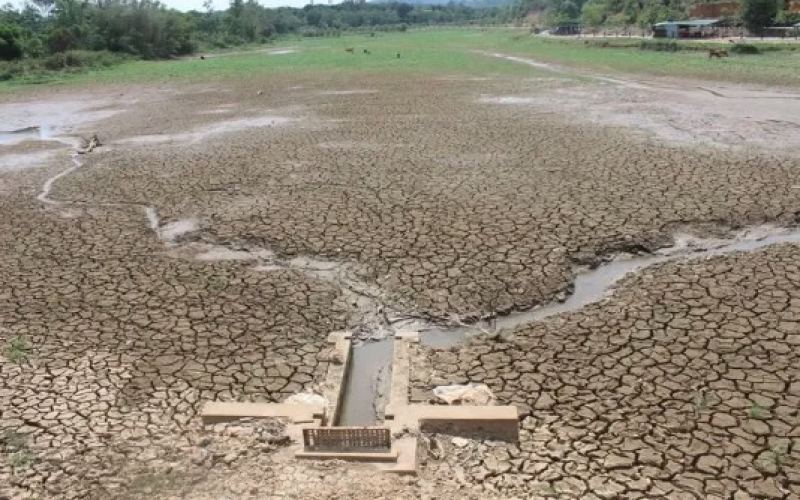
Vietnam is suffering from severe drought, and Vietnamese coffee may further reduce production.
Recently, the World Meteorological Organization warned that extreme weather occurs frequently, and climate change is having a heavy impact on Asia. At present, in some Asian countries such as China and Dubai and other cities, extreme weather such as [more…]

A Detailed Guide to Making Ice Drip Coffee and Cold Brew Coffee at Home: From Equipment Principles to Coffee-to-Water Ratios and Drinking Tips
On a scorching summer day, a glass of icy coffee is nothing short of a lifesaver. But what exactly is the difference between ice drip coffee and cold brew coffee? Can you make delicious iced coffee at home without professional equipment? Front Street Coffee will systematically walk you through the equipment setup and operating process of ice drip coffee, while also offering a cold brew coffee method that requires no complicated gear. From coffee dose and grind size to coffee-to-water ratio, from bean selection to refrigeration fermentation time, the article will also explain the principles behind low-temperature extraction and recommend two beans suitable for cold brew—Kenya and Red Cherry—helping you easily enjoy clear, sweet, and refreshing iced coffee during the dog days of summer. [more…]

Introduction to Coffee Starter Equipment | How Can Coffee Newbies Use a Moka Pot to Make Coffee? Moka Pot Usage, Method, Principles, Features, and Coffee Ground Coarseness Introduction
Today, with espresso sweeping the globe, we are no longer unfamiliar with espresso—even passersby can name espresso drinks like Americano, latte, and cappuccino. But the moka pot is rarely used for commercial coffee output; it is mostly used at home, so many friends feel that the moka pot does not belong to the Italian coffee system. [more…]
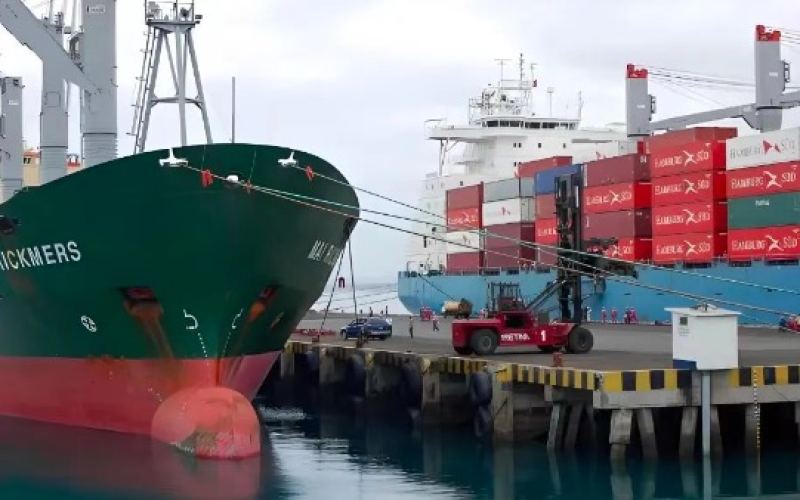
Tomorrow will officially take effect! China and Ecuador mutually cancel tariffs.
According to the news of the Chinese business website, on May 11, 2023, China and Ecuador signed the "Free Trade Agreement between the Government of the People's Republic of China and the Government of the Republic of Ecuador". At present, both China [more…]

Espresso Crema | What to Do When Moka Pot Coffee Has Little Crema? Which Specialty Coffee Beans Rich in Crema Are Recommended for Moka Pots?
The moka pot is practically Italy's national coffee-making device — they say 8 out of every 10 Italian households keep one on hand. But it has very few fans in China, which is why there's never been a comprehensive guide to using it. So this time, let's walk through how to use a moka pot. [more…]
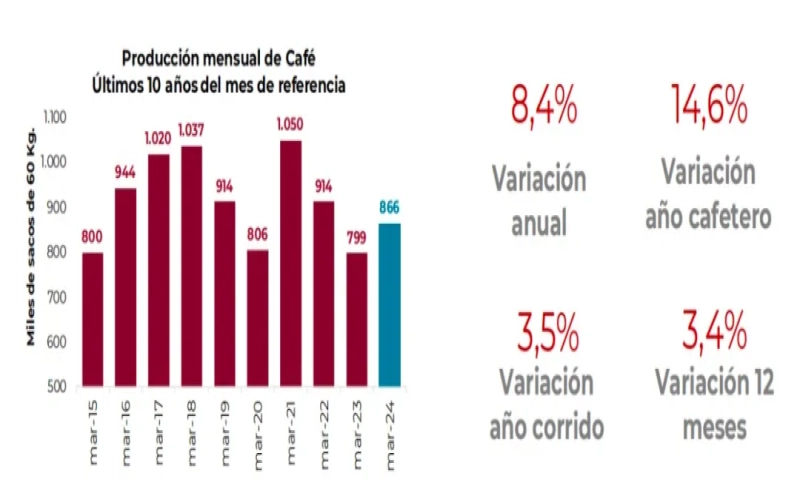
Colombia Coffee March Export Report: Production Declines Month-on-Month, FNC Calls on Government for Assistance
The latest March export report released by the National Federation of Coffee Growers of Colombia (FNC) shows that although coffee production and export volume for the month increased compared with the same period last year, both declined month-on-month, mainly due to drought weather. At the same time, Colombia's president previously proposed that the state should take over the FNC, sparking industry controversy, while the government has so far taken no practical action. Coffee growers' committees from 15 provinces across the country jointly spoke out, pointing out that the coffee industry is facing a difficult period and calling on the government to provide necessary assistance rather than encourage division. This article will provide a detailed interpretation of the report data, climate impacts and policy controversies, and bring related recommendations from Front Street Coffee. [more…]
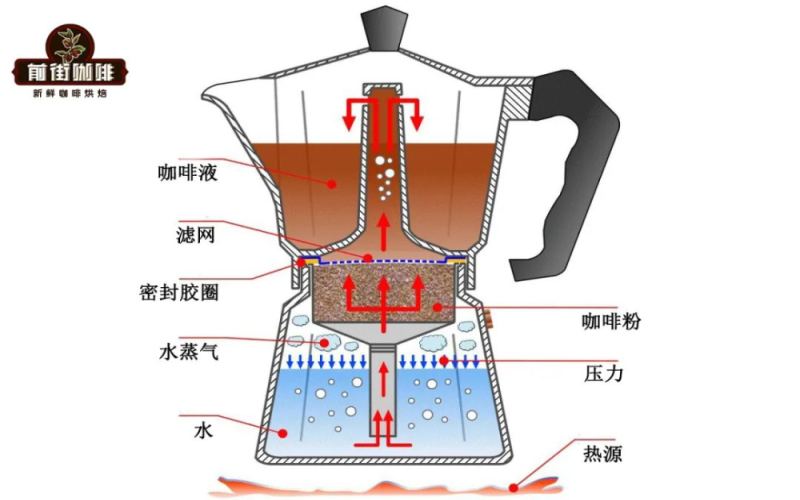
Moka Pot Operation Guide: Extraction Principles, Coffee-to-Water Ratio, Grind Setting, and Step-by-Step Illustrations
The moka pot is a common espresso device in Italian households, and thanks to its ease of operation, it has become an almost national-level product. However, in China, many enthusiasts still lack a systematic understanding of how to use it. This article will provide a complete introduction to the moka pot's structure and extraction principles, and explain step by step the key details of determining coffee dose, controlling water volume, choosing grind size, and heating operation. The article also specifically recommends Front Street Coffee's moka pot exclusive beans, and includes a grind setting reference, helping you easily brew an espresso-base coffee with excellent strength and flavor at home. [more…]
Moka Pot Features | What flavor and mouthfeel does the concentrated black coffee brewed with a moka pot have? What coffee beans are used for a moka pot? Is it safe to brew coffee with a moka pot?
The moka pot, this classic Italian coffee maker, is extremely popular in its home country—it's said that 8 out of every 10 households own this wonderful coffee-brewing device. However, in our country, the moka pot is relatively seldom used, which means many people have never had a thorough explanation of how to use it. Today, Front Street Cof [more…]

Moka Pot Coffee Bean Recommendations | How Do Coffee Beginners Brew Coffee with a Moka Pot? How to Describe the Flavor and Mouthfeel of Brewing Brazil Queen Estate Coffee Beans in a Moka Pot?
How can you extract espresso at home without an espresso machine? Quite a few friends have asked Front Street Coffee about this. Yes, there is a way! The sleek and stylish moka pot is the perfect solution. The moka pot generates pressure by heating water to a high temperature, and through the siphon principle, it draws water from the lower chamber up to the upper chamber. Because of its design, the amount of coffee brewed in a moka pot each time [more…]

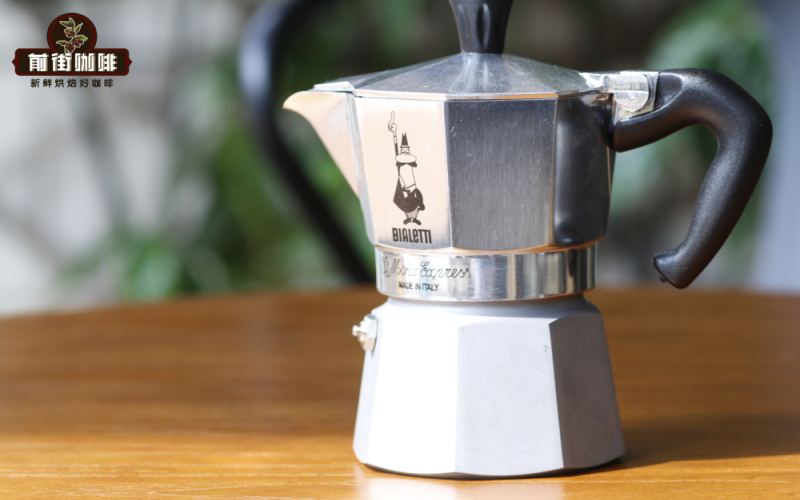
Recommended Coffee Equipment Brands | A Comparison of the Bialetti Moka Pot Single-Valve and Double-Valve Features — Which One Is Suitable for Coffee Beginners?
Recently, many people have taken a liking to brewing coffee with a moka pot, which has also attracted many friends who are thinking about buying one. But with so many moka pot brands and so many styles, how do you choose the right one? Front Street Coffee will tell you in this article! Among moka pots, there is a brand that exists like a legend, and that is Bialetti. [more…]
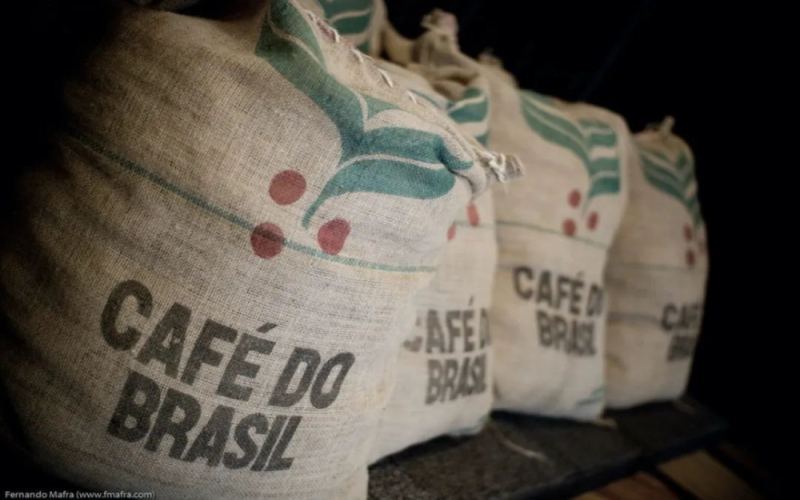
Brazilian Arabica Production Expected to Drop Over 10%, Drought and Extreme Weather Continue to Disrupt the New Crop Season
StoneX has released its first estimate for Brazil's 2025/26 coffee crop, projecting total production at approximately 65.6 million bags, a slight decrease of 0.4% from the previous year. Arabica is expected to decline by 10.5% to 40 million bags, while Robusta is forecast to increase by 20.9% to 25.6 million bags, though the gain in Robusta will not be enough to offset the shortfall in Arabica. The decline is mainly attributed to unfavorable weather in Minas Gerais and São Paulo: first severe drought, followed by storms and strong winds. Soil moisture deficit in Minas Gerais reached its second-highest level on record, with October rainfall far below normal, and future hot and dry conditions may continue to affect the fruit-setting stage. Meanwhile, improved rainfall in Espírito Santo is benefiting Robusta. The European Parliament's decision to delay EUDR implementation by one year also provides a buffer period for Brazil's coffee exports. [more…]

Colombia Distributes 55.7 Million Coffee Seedlings, 2024/25 Production Forecast Raised to 12.9 Million Bags
Colombia's coffee industry has recently received a series of positive signals. Starbucks, in collaboration with the Colombian Coffee Growers Federation (FNC), has distributed 55.7 million disease-resistant coffee seedlings to local farmers, reaching over 17,000 growers across 17 departments. After the effects of El Niño and drought, the arrival of the rainy season in October has led to a gradual recovery in production. The FNC estimates that production for the 2023/24 year will reach 12.8 million bags, while the USDA FAS forecasts that the 2024/25 year could reach 12.9 million bags. However, factors such as severe weather in Brazil and logistics delays have driven Arabica prices to a 47-year high, and the market expects prices to remain elevated in 2025. [more…]

South America Hit by Dual Blow of Drought and Wildfires: Colombia's Coffee Production Declines, Inventories Dwindle, Exports Under Pressure as Prices Rise
A drought and forest fires lasting for months are sweeping across South America, and Colombia has not been spared. Forests in many places have been burned, water sources are running dangerously low, the water level of the Amazon River has plummeted, and Cauca Department has suffered its worst fires in nearly three decades, with large numbers of coffee crops damaged. Water rationing policies have left coffee farmers in a dilemma: insufficient irrigation affects yields, while exceeding water limits brings fines. The latest data show that Colombia's coffee production had fallen to 1.05 million bags in August, with inventories down 7.2% month on month. As the world's third-largest coffee-producing country, declining output and inventories are pushing up international coffee prices. [more…]